Simple Carbohydrates
Not All Simple Carbs Are the Same. Here's How to Think About Them.
Simple carbohydrates, or simple carbs, are found in refined and highly processed foods like white and brown sugar, corn syrup, jams, white bread, baked goods, breakfast cereals, biscuits, crackers, soft drinks, and fruit juices.
These carbohydrates are easily and rapidly digested, converted into glucose and fructose, and cause a quick spike in blood sugar. Your liver and muscles will store what they can as glycogen. Direct conversion of that excess glucose into body fat is actually fairly minor and only becomes meaningful when you're eating well above your calorie needs over consecutive days. The more common issue is what happens around it. A flood of glucose and insulin tells your body to burn the available sugar first, which means any fat you ate at the same time is more likely to get stored rather than burned. Eat this way regularly while exceeding your calorie needs overall, and weight gain follows.
For most people trying to eat well and manage their weight, refined simple carbs are worth minimising. They're calorie-dense, low in nutrients, digest quickly, and leave you hungry again soon after eating. Not a great combination.
Where simple carbohydrates can actually be useful
There are two situations where easily digestible simple carbohydrates genuinely have a place.
First, for underweight people who struggle to put on weight or for athletes in high-energy-demand sports like triathlons or decathlons, simple carbs can help with rapid refuelling during training and events when energy needs to be replenished quickly.
Second, endurance athletes and hard gainers can use simple carbs strategically to increase total calorie and energy intake when needed.
For the average person trying to eat healthily and manage their weight, these situations don't apply. Complex carbohydrates from whole plant foods are a far better everyday choice.
Complex carbohydrates: The better everyday choice →
Carbohydrates and weight loss →
Satisfy your sweet tooth with fruit
If you have a sweet tooth like me, here's my suggestion: Eat fruit.
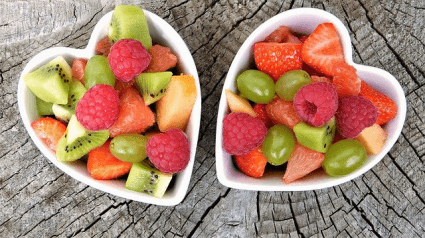
Whole fruit is a brilliant alternative to refined simple carbohydrates. It's naturally sweet, high in fibre, water, essential nutrients, and antioxidants, and far lower in calories than processed sweets.
Fruit digests more slowly than refined carbohydrates because your digestive system has to break down the whole food and separate the sugars from the fibre. This means a slower, more gradual rise in blood sugar rather than a spike.
Natural sweeteners I use instead of refined sugar
I rarely use refined table sugar. When I need to sweeten something, whether it's baking, cooking, or a protein shake, these are my go-to alternatives:
Fruit
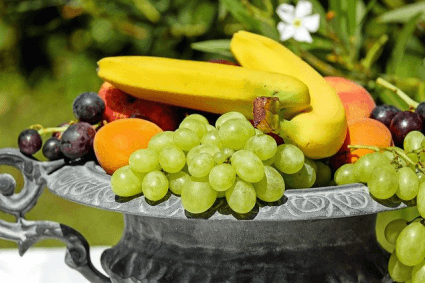
Fresh and dried fruits are my number-one sweetener. A home-baked banana bread or apple pie sweetened with fruit rather than refined sugar tastes incredible and comes with fibre and phytonutrients as a bonus.
Phytonutrients: why plant foods are so powerful →
Raw honey
Raw honey is unprocessed, unlike most supermarket honey. It's sweeter than table sugar, which means you use less of it. It also has antibacterial and antifungal properties and contains trace amounts of nutrients. I use it in cooking and occasionally in tea.
Pure maple syrup
Make sure you buy 100% pure maple syrup, not maple-flavoured syrup, which is just sugar with colouring. Pure maple syrup contains calcium, potassium, iron, manganese, zinc, and antioxidants. A drizzle goes a long way.
Organic coconut sugar
Coconut sugar has a glycaemic index of around 35, roughly half that of table sugar. It's a rich source of iron, magnesium, potassium, and zinc, and contains B vitamins. It's also considered the most sustainable sweetener in the world because coconut palms produce significantly more sugar per acre than cane sugar.
Dates
I use Medjool dates in particular because of their caramel-like flavour. They're excellent in desserts like banana bread, bliss balls, and energy bars. Dates are also a great source of fibre, vitamins, and minerals. Not just empty sweetness.
My take on sugar substitutes
I get asked about artificial sweeteners and sugar substitutes fairly often, so here's where I genuinely stand. I try to avoid most of them. A few reasons. I'm not fully convinced about what some of them do to gut health and the microbiome over the long term. I'd simply rather get sweetness from real, whole foods than from something engineered in a lab. And honestly, the long-term research on several of the more common substitutes still isn't settled enough for my liking. When the evidence is uncertain, I'd rather just eat the fruit.
That said, I'm not against every sweetener that isn't sugar. If I do reach for something, it's a plant-derived option like stevia or monk fruit, used sparingly. Both come from a plant rather than a lab, which sits more comfortably with how I think about food generally.
I also understand why people use sugar substitutes, and I'm not going to pretend they don't have a place. If they help someone move away from refined sugar, manage blood sugar, or simply enjoy their coffee or baking a little more without the calories, that's a genuinely reasonable trade-off for a lot of people. My personal preference is just to lean on real food first and treat substitutes as the occasional exception rather than the rule.
Precision Nutrition - All about carbohydrates →
Carbohydrates and weight loss →
Health should feel like your best life, not a break from it.
Marco ☕
 |
About Me I'm Marco Asnicar, personal trainer, nutrition coach and founder of Vitality Marco. I didn't discover the Mediterranean method. I grew up living it, shaped by Italian roots, real food and movement as a natural part of daily life. I coach men and women aged 35 to 55 to do the same. No restriction. No fads. No giving up the life you love. Just a way of eating and living that genuinely feels good and gets better every year. Want to know more about my story and approach? Read my full About Me page → |